
Our Blogs

From Digital Transformation to AI Transformation

Digital transformation streamlined operations with cloud and analytics. Now, AI transformation takes center stage reshaping business processes with intelligence at the core. From smart healthcare to automated factories, AI powers faster, sharper decisions. Success hinges on data, infrastructure, and skill development.


Read More »
A computer where computing is done on the same device

Edge Computing for Real-Time Business Decision Making

Edge computing is transforming how businesses make split-second decisions by processing data near its source. From preventing factory downtime to reducing fraud in finance and enhancing healthcare response times, this article explores how edge technology delivers speed, reliability, and smarter operations across industries.

Read More »
A picture showing a traditional locking mechanism

Traditional Cybersecurity Threatened by Quantum Computing

Quantum computing is no longer a distant theory – it’s a growing reality that could dismantle today’s encryption methods. This article unpacks how quantum computers threaten traditional cybersecurity, the urgency of transitioning to quantum-safe encryption, and what organizations must do now to prepare for a secure digital future.

Read More »
An image of server computing at full capacity

What’s Next for AI: The Growing Expense of Intelligence

As AI models grow more powerful, the cost of building them is skyrocketing from billion-dollar infrastructure to energy demands rivaling small nations. This article breaks down what’s driving these escalating expenses, why only tech giants can afford to compete, and what it means for the future of innovation, sustainability, and access to artificial intelligence.

Read More »
A person using laptop for authentication

Continuous Authentication: The Next Competitive Advantage in Cybersecurity

Traditional verify once, trust always security is no longer enough. Continuous Authentication monitors user behaviour, device signals, and access patterns throughout every session making it harder for bad actors to hide while keeping friction invisible for legitimate users. Here’s why forward-thinking business leaders are treating it as a growth driver, not just an IT expense.

Read More »
Quality control of gears

Is Your Factory Predicting Success or Just Recording Losses?

Traditional quality control is often just a post-mortem of a financial loss. As we move through 2026, the most profitable factories are shifting from a reactive detect and discard posture to a predictive one. By identifying the signals of failure before they occur – from environmental variables to machine drift—businesses are reclaiming the 20% of turnover typically lost to the Hidden Factory. Discover how unified platforms are democratizing AI to create the No-Surprise Factory.

Read More »
A person using AI at workplace

Shadow AI: The New Shadow IT

Employees aren’t trying to cause harm they’re just trying to get things done. But when they paste confidential contracts, client data, and product roadmaps into unapproved AI tools, the risk is invisible and the damage can be permanent. Shadow AI is the new Shadow IT, and unlike a misplaced file, this leak might train a model that a million people query every day.

Read More »
Authentication image

Beyond Authentication: Governing What Your AI Agents Do in Real Time

In a world where machine identities outnumber human users 82 to 1, the security perimeter has fundamentally shifted. We can no longer rely on human-scale security for autonomous agents that execute workflows 24/7. This article outlines the move from static authentication to real-time authorization, providing a playbook to manage the $4.63 million risk of ungoverned shadow AI agents.

Read More »
This is a image showing what the title says - Ghost factory

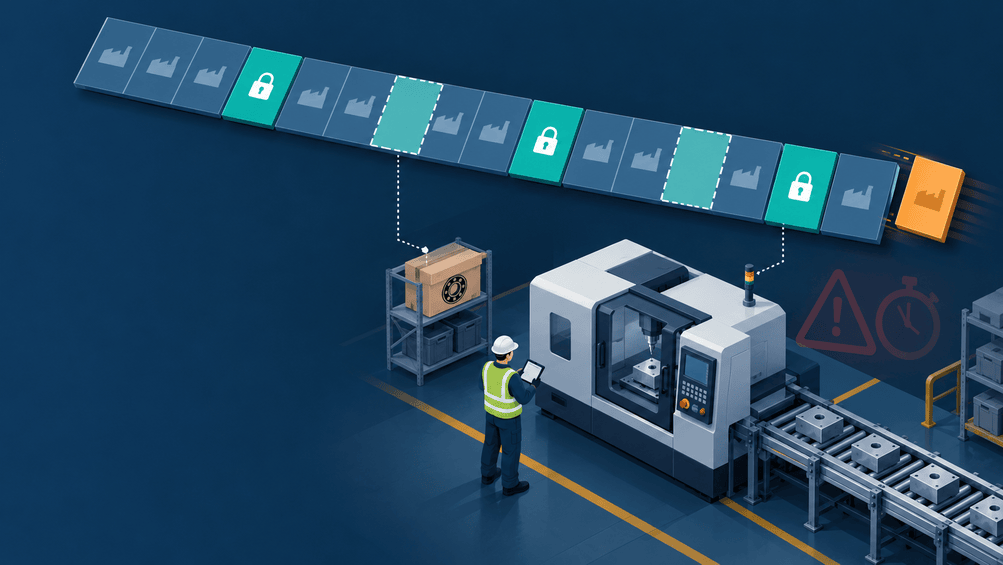
The Invisible Factory: Reclaiming the Capacity You’ve Already Bought

Most manufacturing facilities have an Invisible Factory running alongside their real one – an operation that produces only downtime, slow cycles, and scrapped parts. By utilizing OEE as a critical strategic tool, leadership can move beyond output numbers to manage the three levers of efficiency: Availability, Performance, and Quality. Before investing in new capital expenditures, learn how to turn the lights on in your facility and reclaim the capacity you have already bought.

Read More »
An image showing the use of fishing hook to get login and passeord

Beyond Phishing: How a Single Phone Call Cost £300 Million to a Company

Attackers have stopped caring about email. In 2026, the toolkit has grown to include AI-generated voice cloning and deepfakes, allowing criminals to impersonate trusted colleagues and authorize multi-million dollar transfers without breaking a single technical system. By understanding the psychological triggers of authority, urgency, and familiarity, these modern threats bypass firewalls and antivirus software alike.

Read More »

ERP User Adoption: Why It’s the #1 Reason ERP Investments Fail

While the global ERP market is booming, many organizations struggle to realize the expected benefits of their new systems. Studies indicate that only about 38 percent of companies achieve even half of their anticipated ERP benefits. The primary culprit isn’t usually the technology itself, but a lack of user adoption. This article explores why employees resist new ERP workflows and provides proven strategies such as executive sponsorship and role-based training to turn your ERP implementation into a successful business transformation.

Read More »