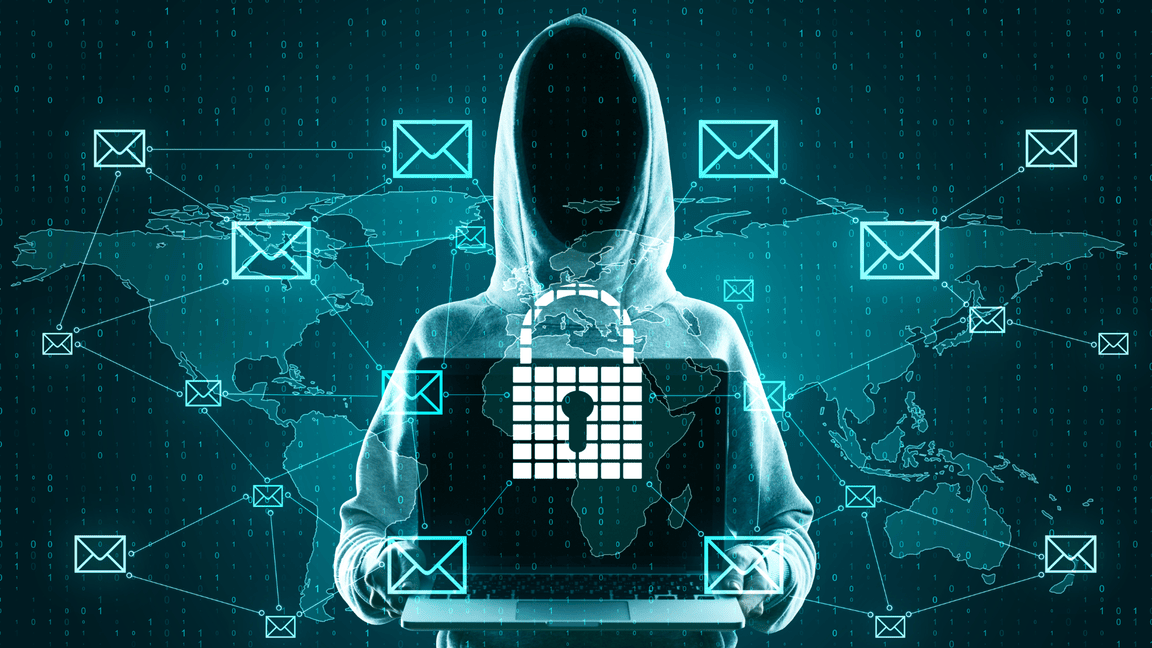
For years, we have been told that cybersecurity is a battle of machines: a dark-room hacker armed with an armory of complex tools breaks through a digital wall. The reality is simpler and, in so many ways, more dangerous.
Today, cyber-criminals don’t just hack systems; they hack people.
The Illusion of Technology
Most business leaders believe that as long as their systems are running, they must be safe. We associate an attack with visible chaos: websites crashing, screens locking, or urgent alerts from the IT department.
However, the most successful modern attacks are designed to be invisible: they don’t break your systems; they blend into your routine. When a company finally realizes that anything is a miss, the damage is usually done-funds are gone, and data has been exposed.
Why They Target Your Employees
Attackers have learned that it is far easier to persuade a person to open a door than it is to kick a door in. They exploit the very things that keep a business operating: trust, routine, and the pressure to take rapid action.
• The Routine Trap: Every day, employees handle dozens of emails from managers, clients, and banks. The attackers study these communication styles to send fake messages that look exactly like the real thing.
• Urgency Weapon: Attackers create a feeling of fear or urgency, such as missed payment or urgent executive request; this pushes employees to act without thinking.
• The Professional Mask: Of course, modern phishing does not involve random “lottery” emails. In India, themes are highly specific to GST compliance, or even bank alerts, or fake messages from a German business partner.
The Real-World Cost of Trust
This is not merely a theoretical threat. We have seen well-established organisations lose staggering amounts because of a single misleading email:
• Mumbai, 2020: A local company lost ₹1.60 crore as attackers had replicated the email style of the business partner and issued payment instructions.
• Toyota Boshoku: In 2019, business email compromise led to an estimated loss of approximately USD 37 million.
• Cosmos Bank: The attackers phished for employee credentials, which resulted in high-value unauthorized transactions.
No software was hacked and no systems went down. In each of these cases, attackers manipulated trust.

Moving Beyond IT: A Leadership Responsibility
If your people are the target, the solution cannot just be a simple IT fix. The business needs to be protected through informed employees and secure endpoints where the exchange of data happens.
1.Stop the Culture of Speed: Attackers rely on us being too busy to check details. We must encourage employees to slow down and question unusual requests.
2. Verify, Don’t Just Trust: Blind trust is expensive. Whether it is about changing bank details or a request from the CEO marked urgent, there should be a crystal-clear, non-email method of verifying the request.
3. Know your enemy: Small and mid-sized businesses feel that they are too small to be targets, but their small verification processes are actually what make them an attractive target for crime.
The Bottom Line
It’s no longer about the strength of your firewall; it’s about the awareness of your team with secured systems. An informed, alert employee isn’t the weakest link anymore; rather, they become your strongest line of defense.
The most dangerous attacks in today’s world are the ones you never see coming unless you’re looking for them.
What kind of phishing attacks you have observed lately while you were working?