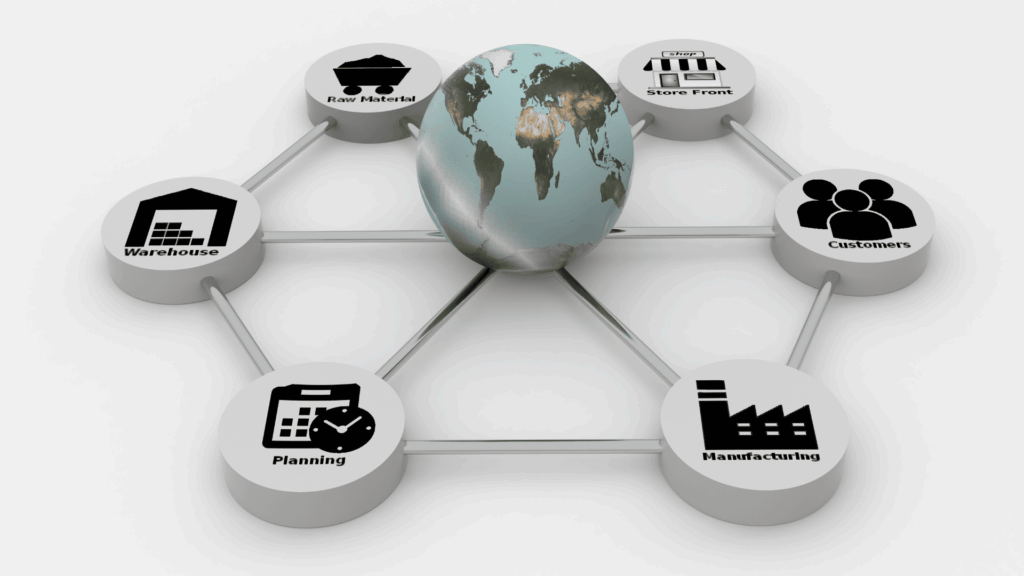
Today’s most resilient businesses operate more like connected ecosystems than isolated departments. Whether it’s a manufacturing unit supplying a distribution branch, or a shared services team supporting regional offices, internal coordination plays a major role in overall performance. As this coordination grows, so does the complexity of managing internal transactions between legal entities.
Inter-company transactions are not just bookkeeping entries. They influence reporting accuracy, regulatory compliance, operational speed, and even executive decision-making. When handled manually, these transactions often lead to duplicated work, mismatches in records, and difficulties during audits. But when managed with the right system, they become a source of operational clarity.
Odoo ERP offers one of the most practical approaches for managing inter-company operations. Its built-in multi-company structure and inter-company synchronization options simplify what would otherwise be a fragmented and error-prone process.
Why Inter-company Transactions Are More Relevant Than Ever
Business models today are rarely limited to a single company or location. Many organizations operate as a group of subsidiaries, divisions, or branches, each registered as its own legal entity. These entities might have distinct fiscal calendars, tax obligations, or accounting policies, but they frequently transact with one another.
A sales company might source products from its group’s manufacturing division. A regional distributor might bill the central marketing team for services. A shared HR or IT team might recover costs from all operating units. These are not unusual arrangements they are becoming the norm.
According to research, more than 70 percent of mid-sized and large enterprises follow such a multi-entity structure. With this comes a growing need for structured, automated ways to handle internal dealings, which is where Odoo becomes especially valuable.
How Odoo Makes Inter-company Transactions Easier
Odoo supports multi-company operations natively. Businesses can define each legal entity in the same Odoo environment, assigning separate configurations for accounts, taxes, fiscal periods, and users. Despite their separation, these companies can share core data such as products, vendors, customers, and warehouses.
Once the setup is complete, companies can activate inter-company transaction rules. These rules control what happens when one company initiates a transaction involving another company in the same database. For example, when Company A sends a sales order to Company B, Odoo can automatically generate a corresponding purchase order in Company B. The same applies to invoices and bills.
This eliminates the need to manually enter parallel records in each company. Each transaction is mirrored and linked, improving speed and reducing the chance of discrepancies.
A Typical Inter-company Flow in Practice
Let’s say Company A manufactures goods and sells them to Company B, which handles retail. When Company B needs more stock, it raises a purchase order in Odoo. Because the two companies are linked, Odoo automatically creates a matching sales order in Company A.
Once the sales order is confirmed, Company A ships the goods, which automatically updates the receipt in Company B. When Company A invoices the sale, Odoo instantly creates a vendor bill in Company B.
This seamless flow means every document is reflected on both sides. It also ensures that accounting entries match and inventory movements stay in sync, without needing double entry or manual reconciliation.
Not One Size Fits All: Odoo’s Flexibility in Automation
What makes Odoo particularly effective is its flexibility. Not every company wants or needs full automation. Some prefer to automate only billing. Others may want to sync purchase and sales orders but handle invoicing manually.
Odoo allows each inter-company relationship to be configured independently. You can decide whether to synchronize sales orders, purchase orders, invoices, bills, or any combination. This is useful for companies with varying internal workflows or levels of trust between departments.
For example, a group may have a centralized logistics company supplying all other units. In that case, full automation might be appropriate to keep stock movements aligned. Meanwhile, internal consulting or marketing services might only require cross-billing, with no physical delivery or inventory updates.
Why Automation Matters for Strategic Growth
Beyond reducing workload, automation helps build a reliable foundation for growth. Clean, consistent inter-company data makes group-level reporting easier. Businesses can generate consolidated financial statements with confidence, since each internal transaction is already balanced.
Having synchronized books also helps with audits. Instead of chasing down mismatched entries or reconciling differences across companies, finance teams can trace each transaction from origin to payment with a clear audit trail.
Structured inter-company data can also support more advanced insights. Businesses can track internal margins, compare performance across business units, and forecast working capital needs with greater accuracy. Odoo’s broader ecosystem includes tools for predictive analytics, cost center planning, and real-time dashboards, all of which benefit from consistent internal records.
Avoiding Common Pitfalls
Although Odoo simplifies inter-company workflows, it is still important to lay the right foundation. Businesses should ensure that product data is consistent across companies. Units of measure, categories, and pricing rules should match. Misalignment here often lead to confusion or failed synchronization.
Fiscal setups should also be carefully aligned. Even if tax rules differ across companies, the chart of accounts, journals, and reconciliation processes should be compatible. This allows entries to match when mirrored.
User access should be tightly managed. Employees working across multiple companies should understand how inter-company rules are applied. Without training and clear roles, there is a risk of accidental duplication or incorrect validations.
Finally, all synchronization rules should be tested in a staging environment before going live. While automation brings speed, it also amplifies errors if not properly configured.
Preparing for the Future
Once a company has stable inter-company processes in place, it becomes easier to scale. Whether it’s launching new business units, expanding into other regions, or integrating acquired companies, the same configuration principles apply.
With each new company added, Odoo can extend the existing logic to ensure consistent workflows and reporting. This makes growth less disruptive and more controlled.
Furthermore, synchronized inter-company data can fuel advanced reporting tools. CFOs can track profitability across entities, identify operational bottlenecks, and assess internal cost structures with clarity. These insights become essential when pursuing funding, planning cross-border expansion, or undergoing regulatory review.
Final Reflections
Inter-company transactions are often seen as internal matters, but their impact goes far beyond accounting. They influence how businesses grow, how teams collaborate, and how leaders make decisions.
Odoo gives businesses a practical and powerful way to handle these transactions without complexity. Its automation tools, flexible configuration, and clean synchronization process help companies focus less on internal mechanics and more on strategic outcomes.
For organizations seeking to simplify internal operations, ensure compliance, and prepare for scale, mastering inter-company processes is a smart place to start. With Odoo, it becomes not only achievable, but sustainable.
Frequently Asked Questions
1. What are inter-company transactions in Odoo?
Inter-company transactions refer to sales, purchases, inventory movements, or financial documents exchanged between different legal entities (companies) managed within the same Odoo environment.
2. Why are inter-company transactions important for modern businesses?
They streamline operations, reduce duplicate work, enhance financial reporting accuracy, ensure regulatory compliance, and enable better coordination between subsidiaries or business units operating under the same corporate group.
3. How does Odoo automate inter-company transactions?
Odoo automates the creation of mirrored documents between companies. For example, a sales order created in Company A can automatically trigger a purchase order in Company B. This reduces manual entry, saves time, and minimizes errors.
4. Which inter-company processes can be automated in Odoo?
Key processes include:
- Sales Order ↔ Purchase Order synchronization
- Customer Invoice ↔ Vendor Bill synchronization
- Inventory transfers (via Dropshipping, Internal Routes, etc.)
- Journal entries for accounting consolidation (with advanced configuration)
Automation levels can be adjusted as per operational needs.
5. How do I set up inter-company rules in Odoo?
To configure inter-company transactions:
- Enable multi-company support in settings
- Assign users to relevant companies with proper access rights
- Define synchronization rules (e.g., which documents to auto-sync)
- Configure automatic or manual processing preferences per company pair
6. Can I customize which documents are automated between companies?
Yes. Odoo allows granular control. You may choose to:
- Automate sales-purchase orders but not invoices
- Manually validate financial documents
- Set one-way or bidirectional syncing depending on process flow
7. How does Odoo handle reconciliation of inter-company transactions?
Odoo creates matching records in both companies, making it easier to reconcile books. With properly linked documents and matching amounts, internal reconciliation becomes streamlined, reducing time spent on manual matching.
8. What are common challenges with inter-company transactions?
Typical pain points include:
- Mismatched product or partner data across companies
- Missing synchronization rules or incorrect automation logic
- Conflicts in currency or tax configuration
- Difficulty reconciling records if documents are manually adjusted after sync
9. What audit and compliance benefits does automated intercompany management provide?
Automated workflows ensure that all transactions are traceable and consistent across entities. This:
- Builds a clear audit trail
- Reduces risk of human error
- Ensures consistency for compliance with accounting standards and tax laws
10. What best practices ensure successful inter-company setup in Odoo?
- Maintain unified product and partner master data across companies
- Clearly define and document synchronization rules
- Test in a staging environment before live implementation
- Regularly review automation logs and configuration audits
- Train users on multi-company workflows and potential sync conflicts